
Why Acid Cabinet Storage Is Essential in Every Research Facility
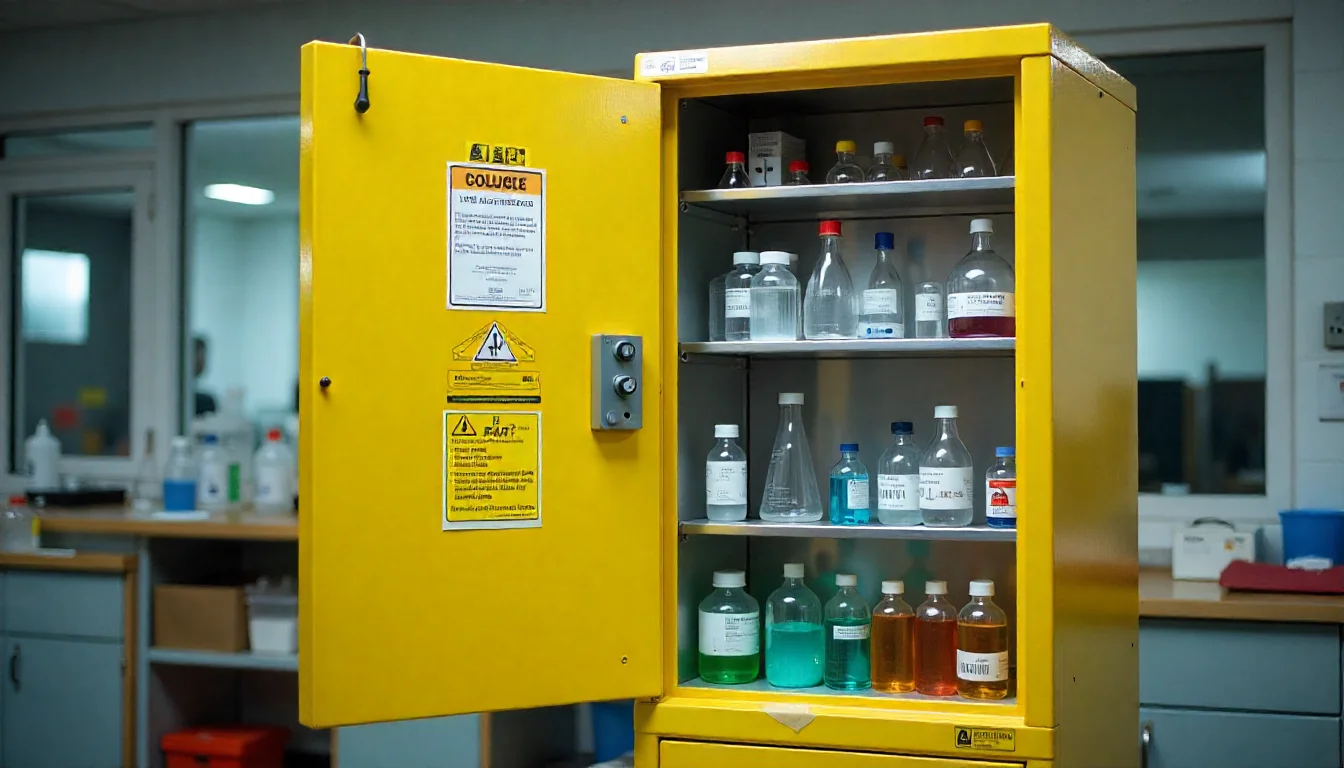
In the field of research, safety is not a negotiable aspect. Every chemical, especially corrosive and reactive substances, requires proper storage to prevent hazards to researchers and the surrounding environment. This is where acid cabinet storage plays a vital role not merely as a storage unit, but as a strategic safeguard for laboratory operations.
The Crucial Role of Acid Cabinet Storage in Laboratory Safety Systems
A modern laboratory prioritizes not only research outcomes but also safe and efficient processes. Acid cabinet storage acts as the first line of defense against spills, leaks, and unwanted chemical reactions.
These cabinets are built to isolate corrosive materials and resist damage from acidic vapors. This is critical since acids can react with metals or other materials to produce toxic gases, posing significant safety risks.
Furthermore, facilities offering acid cabinet storage in Jakarta are increasingly recognized as essential partners in promoting safe laboratory practices across research and academic institutions.
The Consequences of Improper Storage on Research Quality
The quality of research outcomes depends not only on analytical precision but also on how materials are stored prior to use. Improper storage can alter the concentration, purity, and chemical integrity of substances.
For instance, exposure to moisture or fluctuating temperatures can cause chemical degradation. When that happens, experimental results become inconsistent and unreliable.
With proper acid cabinet systems, chemical stability can be maintained, ensuring scientifically sound and reproducible results.
Enhancing Efficiency and Professionalism in the Laboratory
Using acid cabinet storage reflects not only a commitment to safety but also to professional laboratory management. Organized facilities tend to operate more efficiently since each chemical has its designated and secure space.
1. Supporting Audits and Compliance
Many research institutions must comply with strict safety standards. Having an acid cabinet helps laboratories easily pass audits and demonstrate compliance with both national and international regulations.
2. Boosting Research Productivity
Researchers can focus entirely on experimentation without worrying about contamination or chemical degradation.
Additionally, facilities equipped with acid cabinet storage in Jakarta are often trusted by funding agencies for maintaining high operational standards.
A Small Investment for Long-Term Protection
Installing a reliable acid storage system is not an expense it’s a long-term investment. The cost of one acid cabinet is insignificant compared to potential chemical accidents that could damage equipment, data, or institutional reputation.
More importantly, having acid cabinet storage symbolizes institutional responsibility toward researchers and the environment. It represents a strong safety culture rather than a mere compliance effort.
Promoting a Safety-Oriented Research Culture
The presence of acid cabinet storage goes beyond technical requirements it plays a vital role in fostering a strong culture of safety within research environments. When researchers consistently store chemicals properly, they build awareness of the importance of safe laboratory practices and procedural discipline. This culture enhances confidence, accountability, and teamwork across the research team.
Over time, such consistent adherence to safety measures strengthens the institution’s reputation as a professional and ethical research facility that prioritizes workplace safety. In essence, acid cabinet storage becomes not only a tool for protection but also a cornerstone for shaping responsible scientific behavior.
Acid Cabinet Storage and Environmental Sustainability
Beyond safety, acid cabinet storage contributes significantly to environmental sustainability. Proper chemical storage reduces the risk of leaks and spills that could contaminate air, soil, or water near research facilities. These acid-resistant cabinets are designed to contain corrosive materials safely, ensuring that hazardous waste is managed from the very first stage.
This aligns with the principles of green laboratories, which emphasize responsible chemical management. As a result, research facilities can operate not only as centers of innovation but also as contributors to environmental preservation through sustainable laboratory practices.
Conclusion
In modern research facilities, acid cabinet storage is no longer optional it is essential. It safeguards people, enhances operational efficiency, and maintains experimental integrity. Any laboratory striving for excellence and sustainability should treat it as a core infrastructure component.